
July 2026 Freight Market Update: What Australian Importers & Exporters Need to Know


Global freight markets continue to evolve as businesses navigate a combination of changing demand, carrier capacity management, and ongoing geopolitical uncertainty. While recent weeks have shown signs of improved stability, the market remains dynamic, requiring businesses to plan ahead and remain flexible.
At McHugh & Eastwood, we continue to monitor global freight developments to help our clients make informed logistics decisions. Here’s our overview of the key trends shaping the market this month.
Freight Rates Are Beginning to Stabilise
Following significant increases throughout May and June, freight rates are beginning to level out as additional vessel capacity enters the market and carriers work through existing backlogs. Space availability has improved across many trade lanes, creating a better balance between supply and demand.
While these are encouraging signs, businesses shouldn’t assume that market conditions have fully returned to normal. Booking windows remain relatively tight, particularly as peak season approaches, making early planning as important as ever.
For importers and exporters, securing space well in advance remains one of the best ways to minimise disruption and maintain supply chain reliability.
Carriers Continue to Manage Capacity Strategically
Shipping lines continue to carefully manage their networks to maintain service reliability and respond to changing market conditions. New services and additional vessel capacity are being introduced on selected trade lanes, demonstrating confidence in ongoing cargo demand despite broader market uncertainty.
At the same time, carriers remain disciplined in balancing supply with demand through schedule adjustments and strategic capacity management.
Rather than viewing this as a sign of instability, businesses should recognise that these measures are becoming a normal part of today’s freight market and should be factored into shipment planning.
Geopolitical Events Continue to Influence Global Shipping
Developments in the Middle East remain one of the most significant factors affecting international shipping.
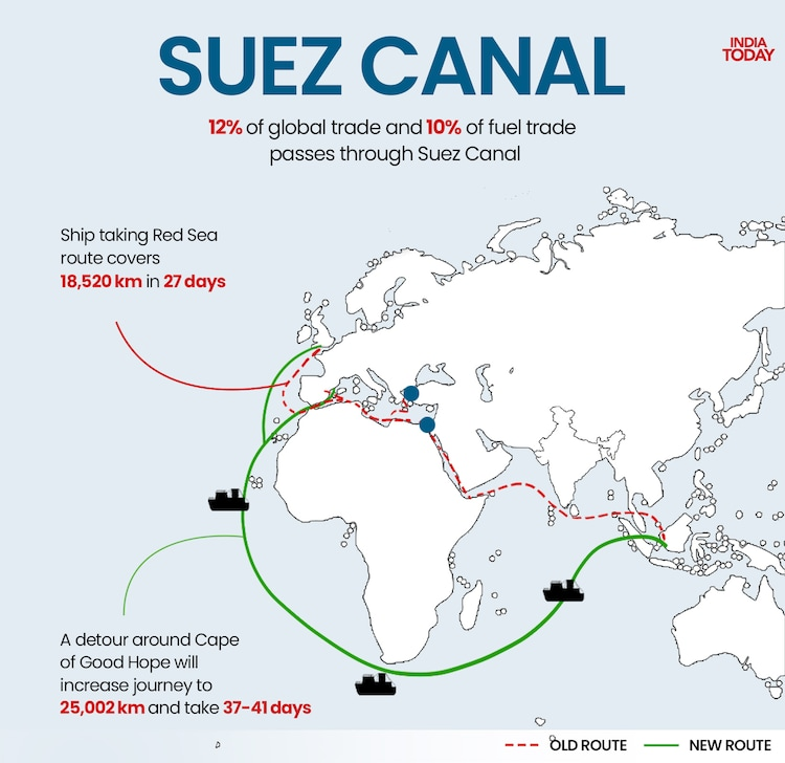
Disruption around the Strait of Hormuz continues to influence fuel prices and freight costs, while emergency fuel and war-risk surcharges remain in place across many trade lanes.
Some shipping lines have begun cautiously returning to parts of the Red Sea and Suez Canal, offering the potential for shorter transit times on selected services. However, regional tensions continue to create uncertainty, meaning routing decisions may change quickly if conditions deteriorate.
This highlights the importance of remaining flexible and working closely with logistics partners who can provide timely updates as circumstances evolve.
Blank Sailings Remain Part of the Market
Blank sailings continue to play an important role in carrier capacity management, particularly across North Asia trade lanes servicing Australia. Although current forecasts suggest a slight easing in scheduled cancellations, carriers continue to adjust services to maintain vessel utilisation and respond to operating costs.
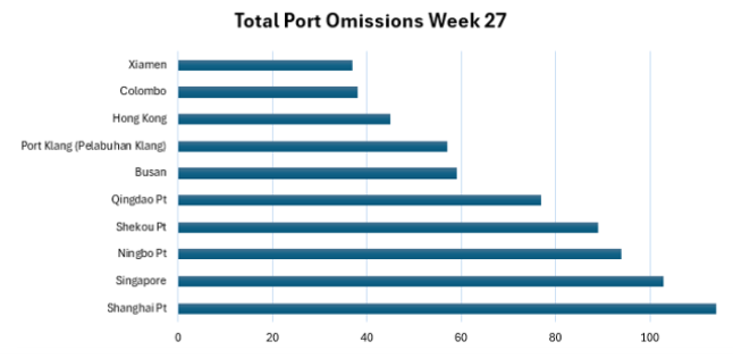
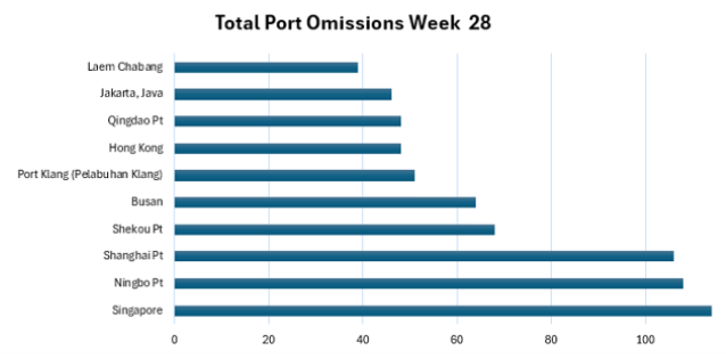
While these adjustments may affect transit schedules, they are also helping create a more balanced market and supporting greater service reliability over the longer term.
For businesses, maintaining flexibility around shipping schedules and booking freight early can help reduce the impact of these ongoing changes.
What This Means for Australian Businesses
Although market conditions have become more balanced than earlier in the year, uncertainty has not disappeared.
Freight rates remain sensitive to geopolitical events, fuel costs, carrier capacity decisions, and seasonal demand. Businesses that continue to plan ahead and build flexibility into their supply chains will be better positioned to respond as conditions evolve.
At McHugh & Eastwood, we recommend:
- Booking shipments as early as possible to secure preferred capacity.
- Reviewing contingency routing options for time-sensitive cargo.
- Monitoring freight budgets to account for potential fuel and emergency surcharges.
- Staying informed on global developments that may affect transit times and costs.
Looking Ahead
While there are encouraging signs that freight markets are stabilising, the global logistics environment continues to evolve. Capacity management, geopolitical developments, and changing customer demand will all continue to shape supply chains in the months ahead.
At McHugh & Eastwood, we remain committed to monitoring these developments and providing our clients with timely market insights and practical advice. By staying informed and planning proactively, businesses can navigate uncertainty with greater confidence.
Globally connected,
locally invested.
